29.10.2025
“Surface” and “Autumn” (“Sharad”): exhibitions by artists from Gujarat and other parts of India at the Roerich Estate
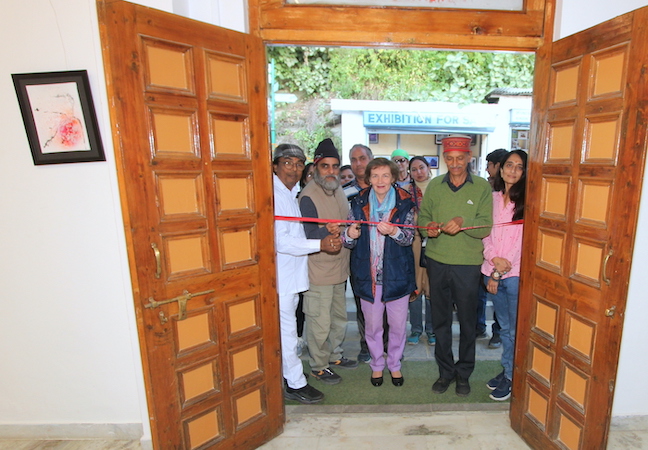
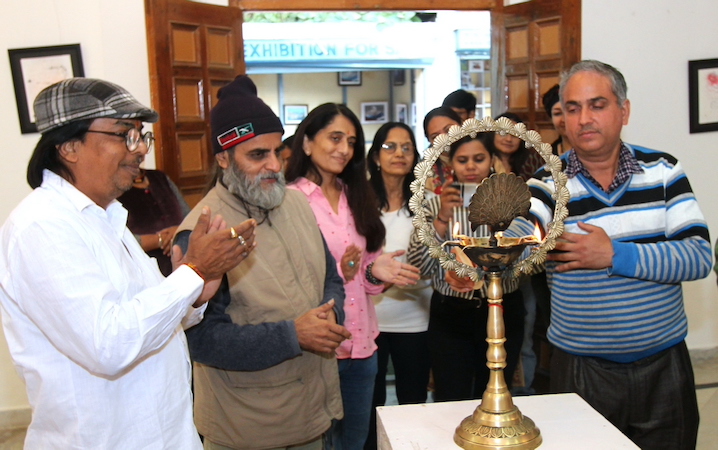
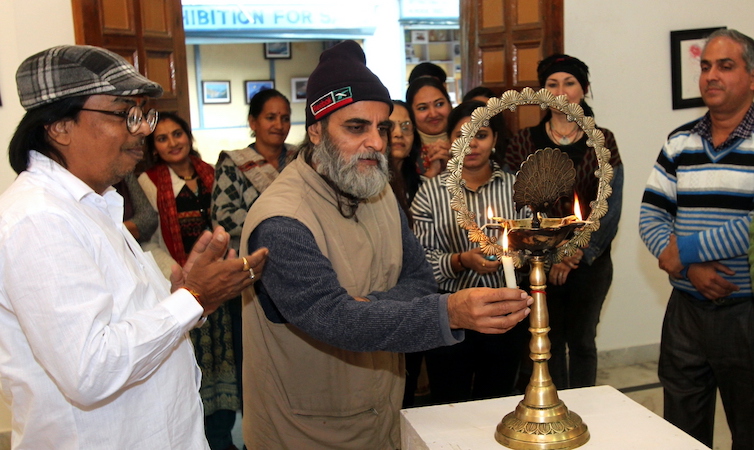
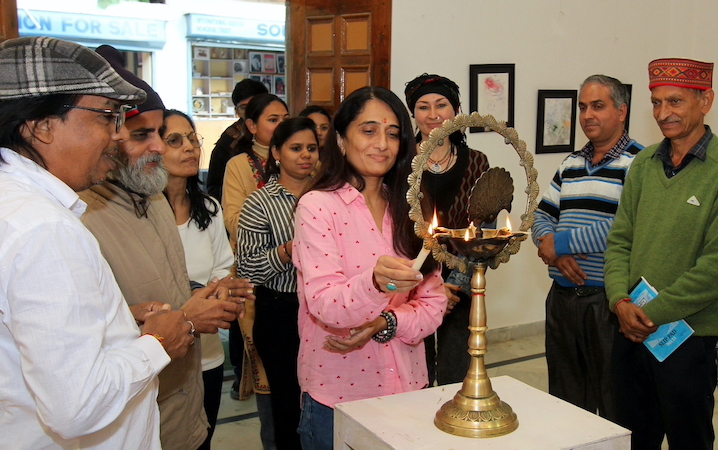
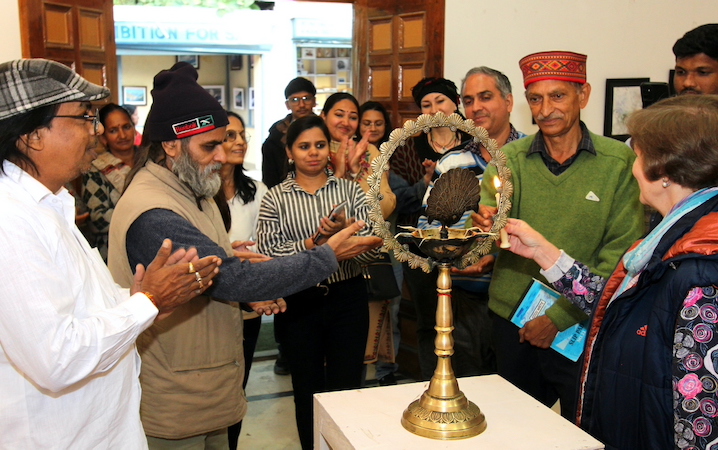
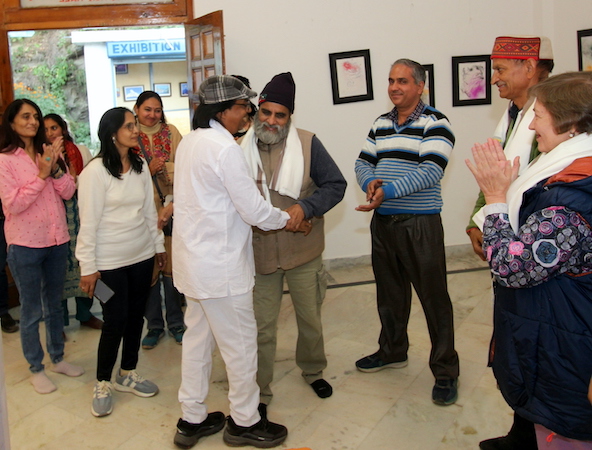
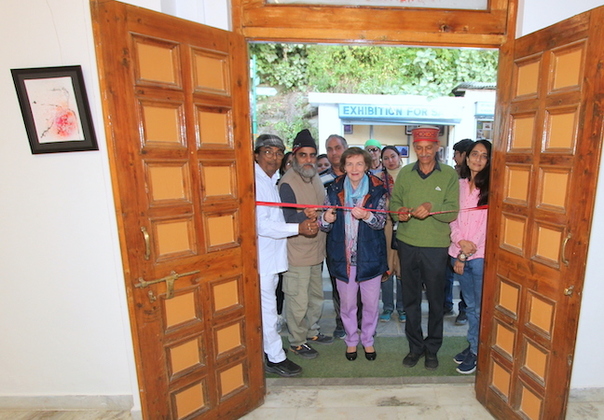
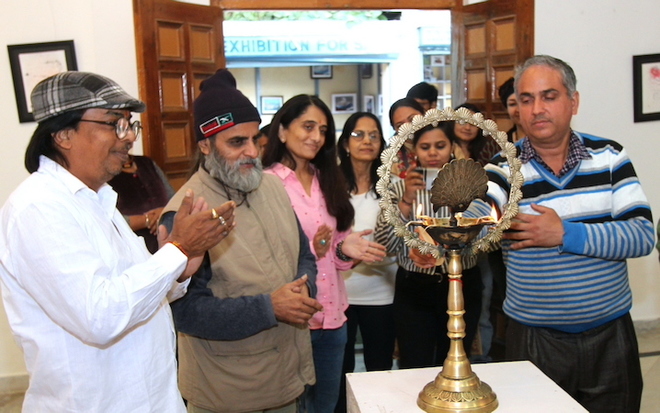
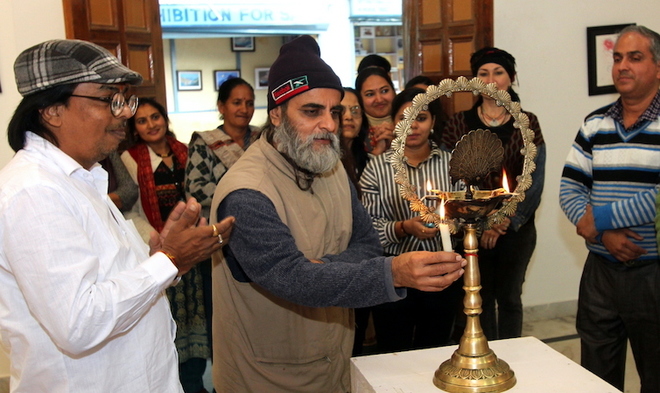
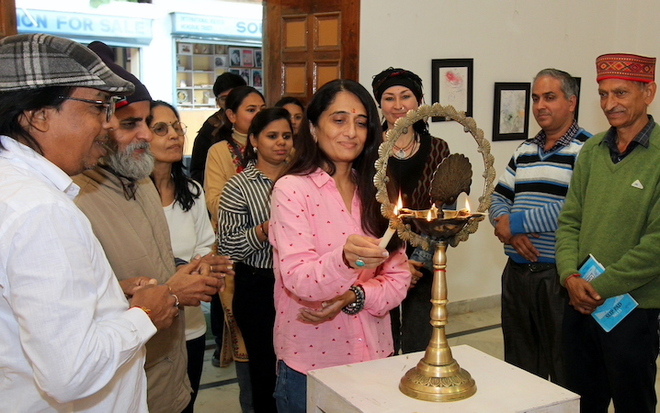
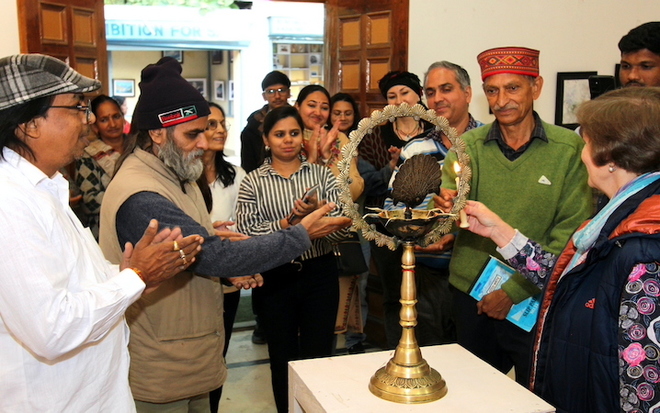
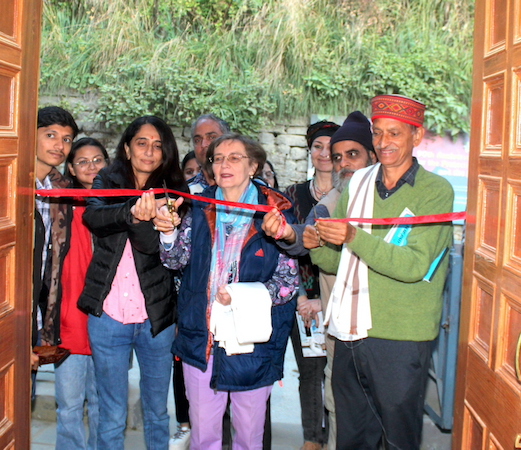
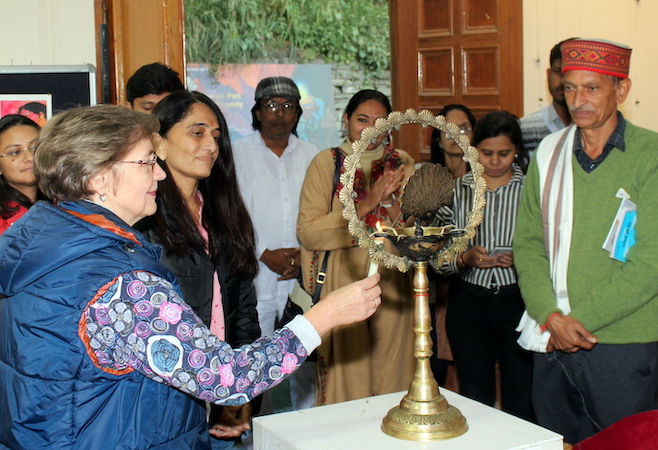
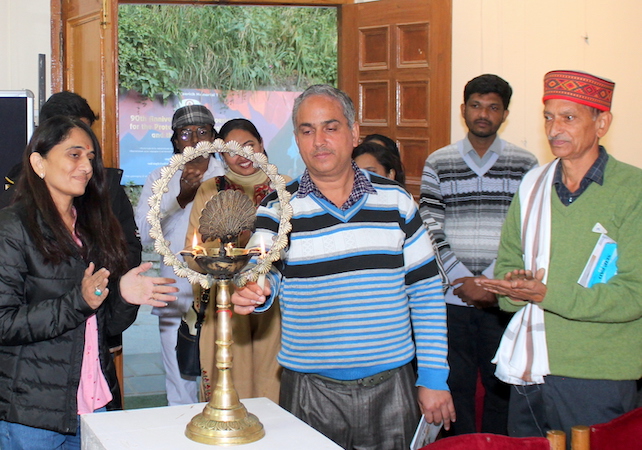
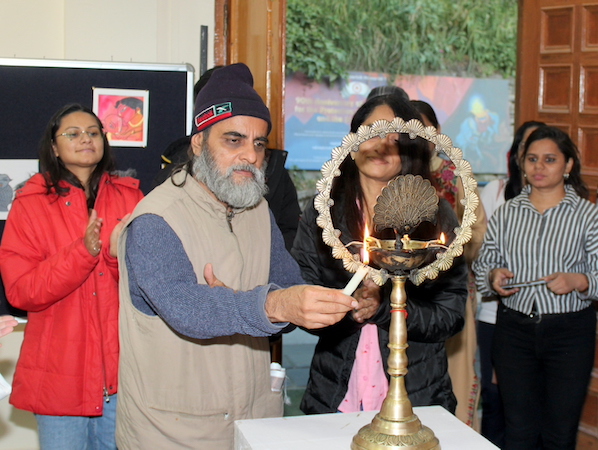
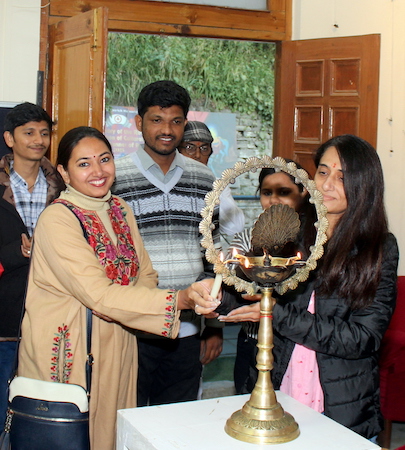
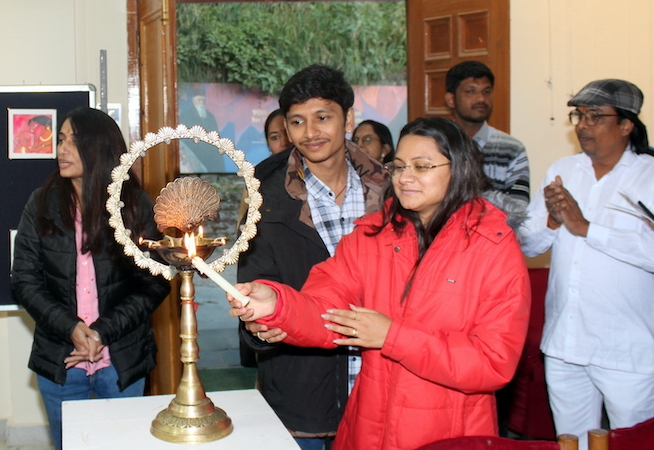
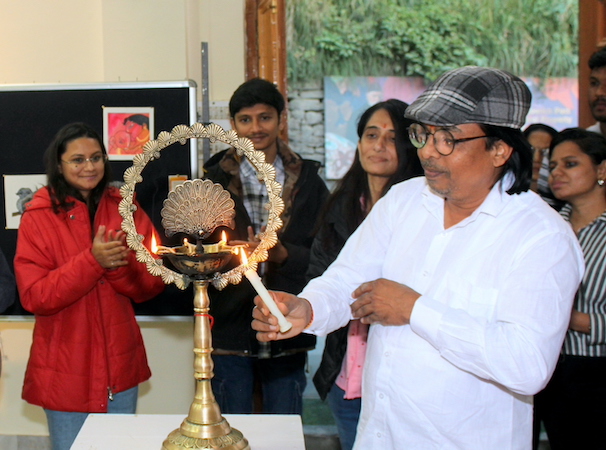
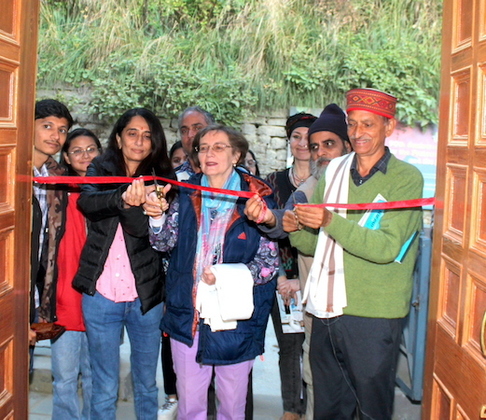
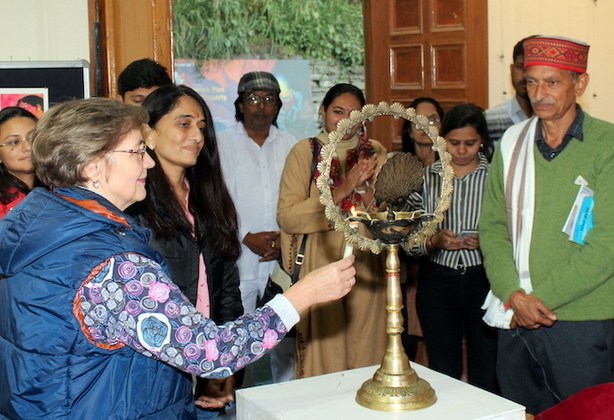
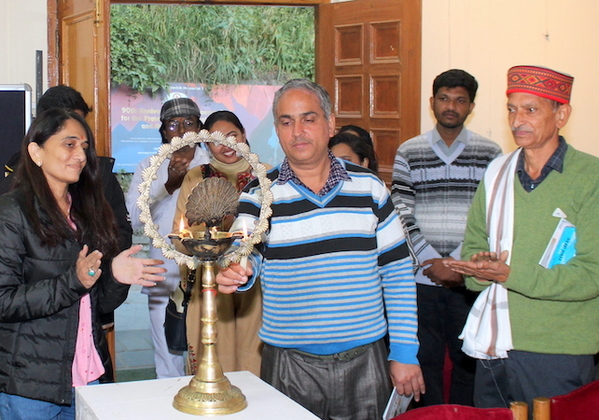
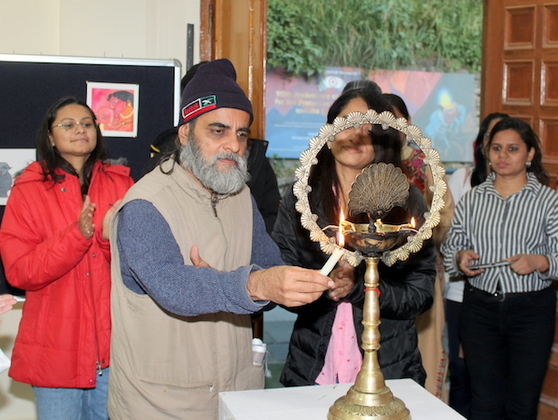
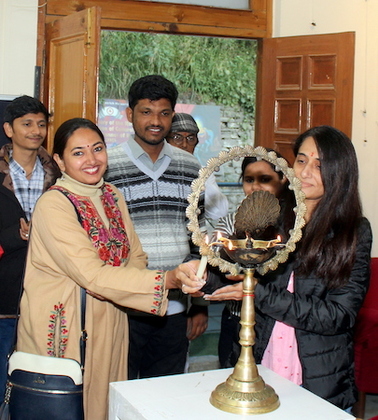
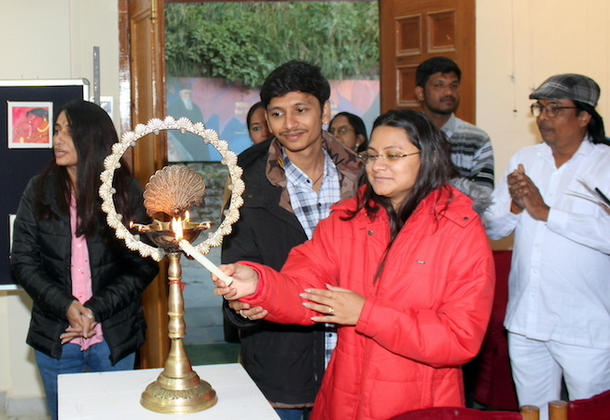
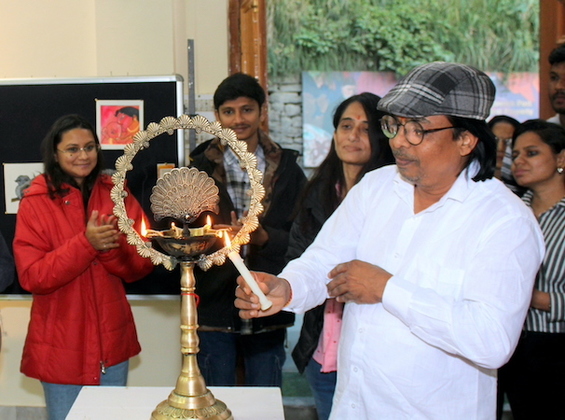
On 29 October, the International Roerich Memorial Trust (IRMT) Exhibition Halls hosted the grand opening of two landmark exhibitions, presented with the support of the Gujarat Lalit Kala Akademi, a long-standing partner of the Trust. Many of the artists whose works were presented at the exhibitions are well-known and their unique pieces enjoy unwavering popularity and sincere love among visitors.
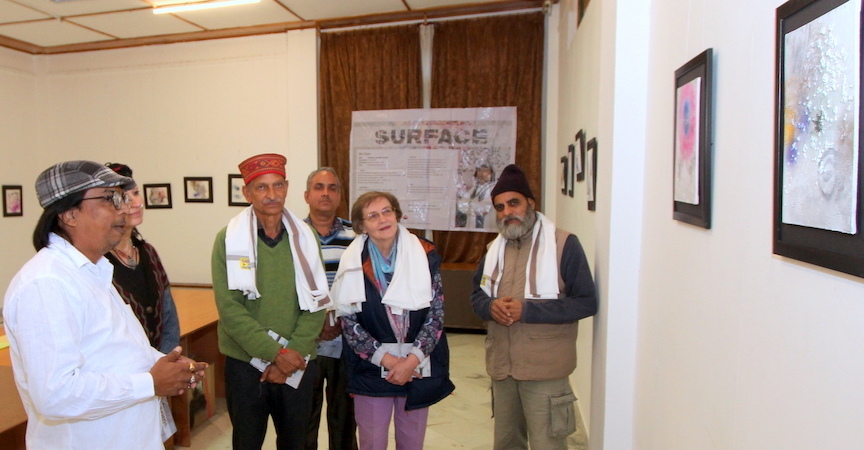
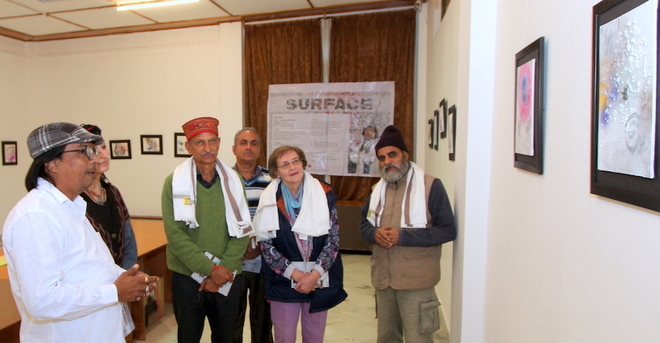
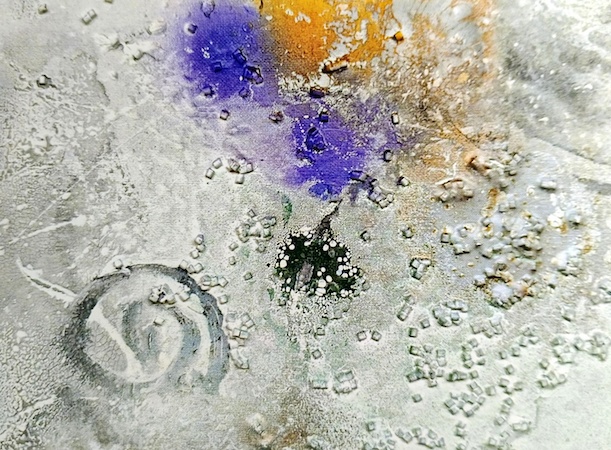
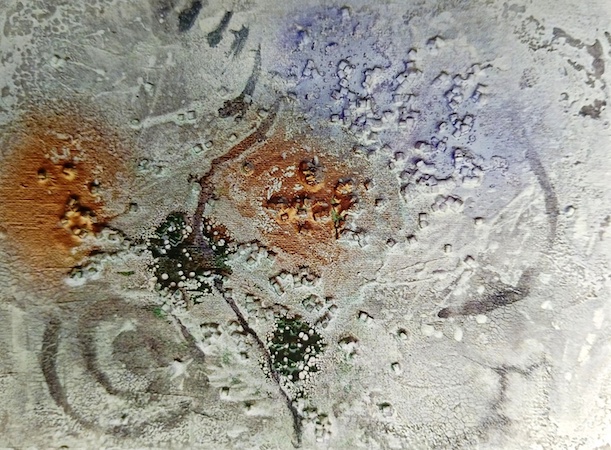
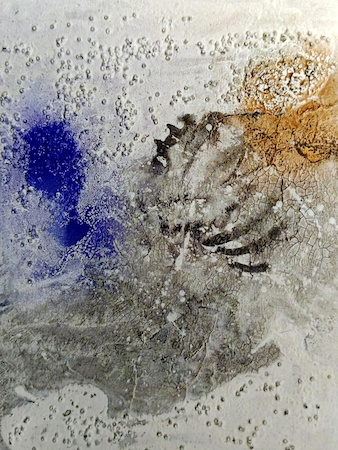
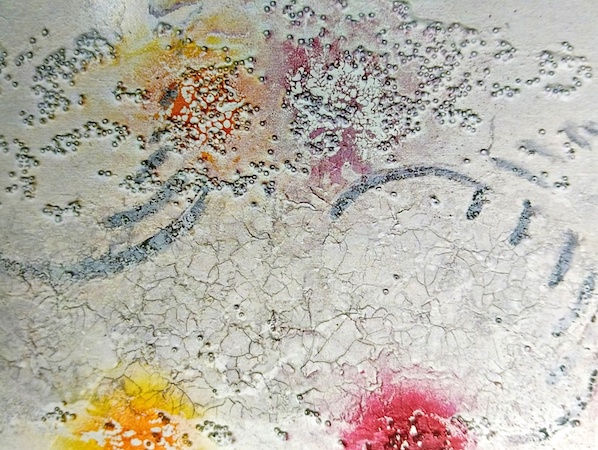
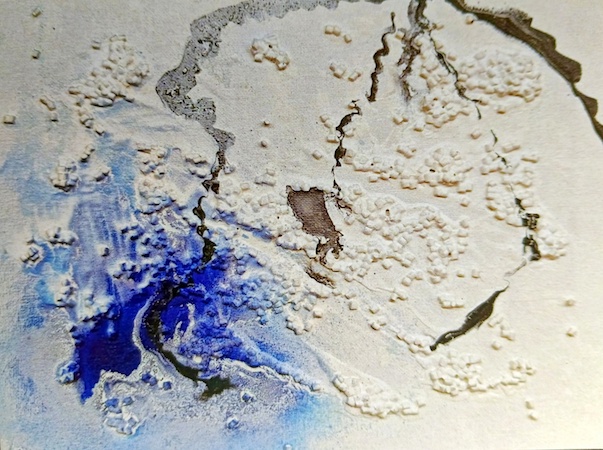
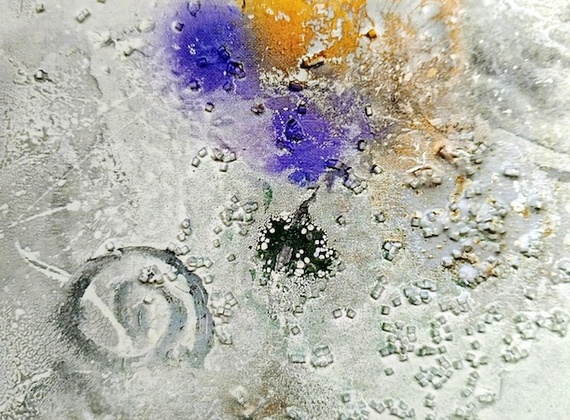
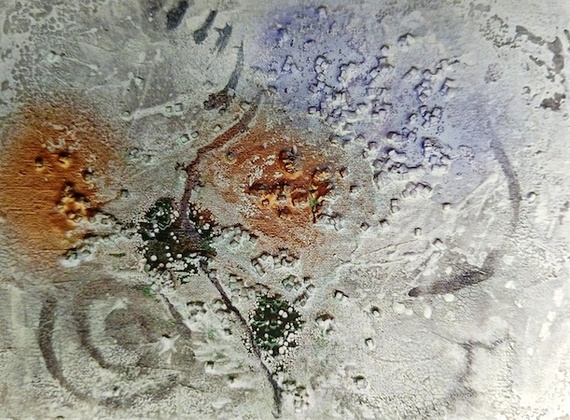
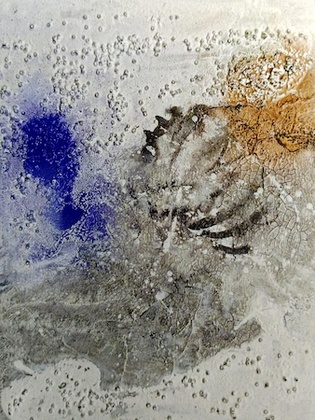
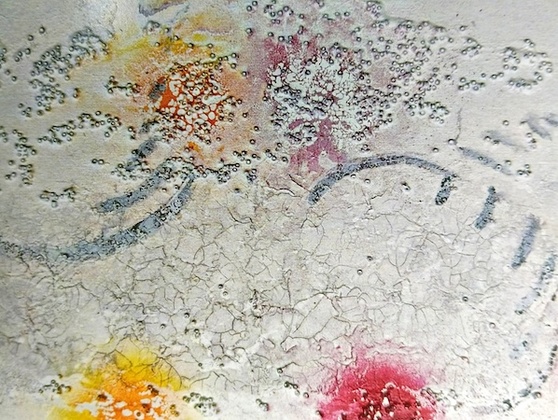
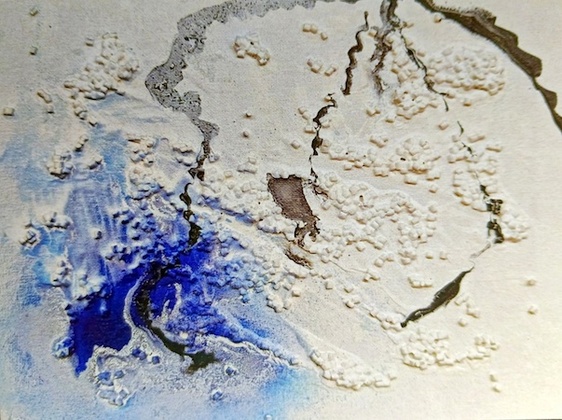
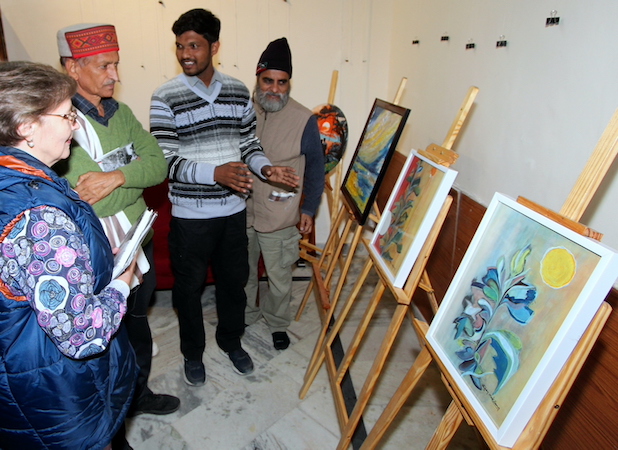
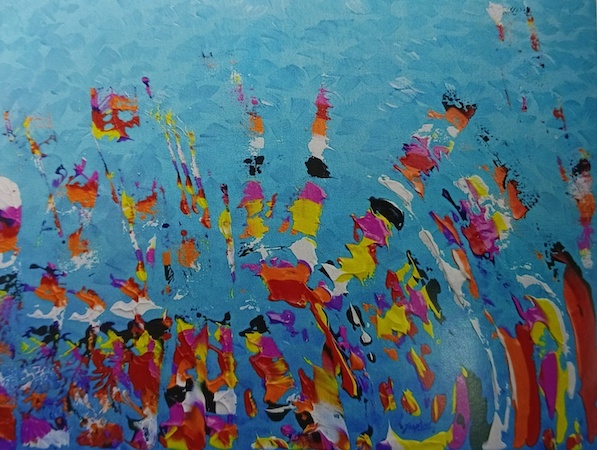
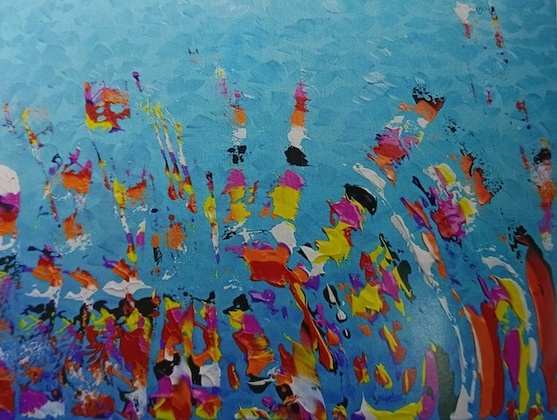
The first exhibition to open on this day was a solo exhibition by the Gujarati artist Vijay Kachhia, intriguingly titled “Surface”. This title perfectly encapsulates the essence of the works on display. The world into which viewers are immersed does not unfold on the surface, but beneath it. It emerges through the structure of the canvas itself, the bold combinations of materials used by the artist and the play of colours and unpredictable chemical reactions. In creating this series, the artist effectively became a chemist — or more precisely, an alchemist — skilfully combining various chemical elements to create something entirely new and indescribable. Through this 'surface', mysterious faces gaze at viewers. Spirals of universes, double DNA spirals, majestic mountain ranges and hands, as if desperately trying to pull back the veil of the unreal and break into the light, can be discerned. Those same hands are already carefully holding the whole world in their palms. However, even when we seem to penetrate beyond the next visible edge to something secret and transcendent, we inevitably find ourselves face to face with a new surface.
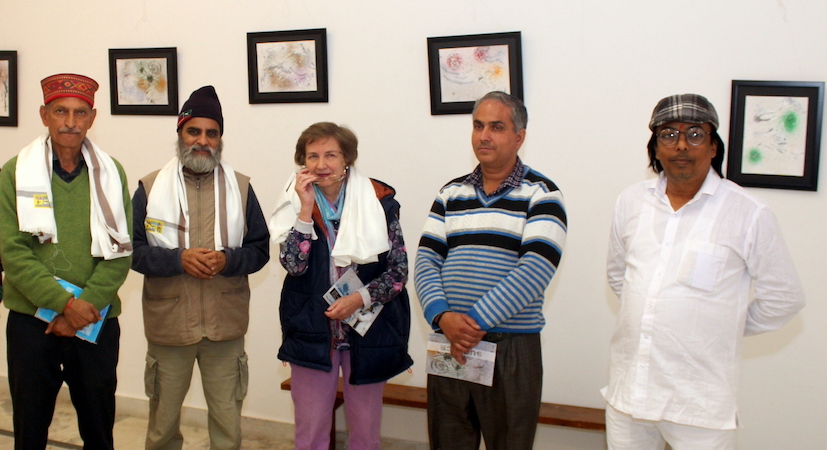
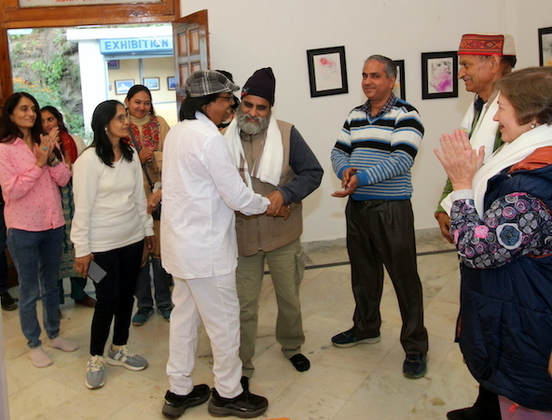
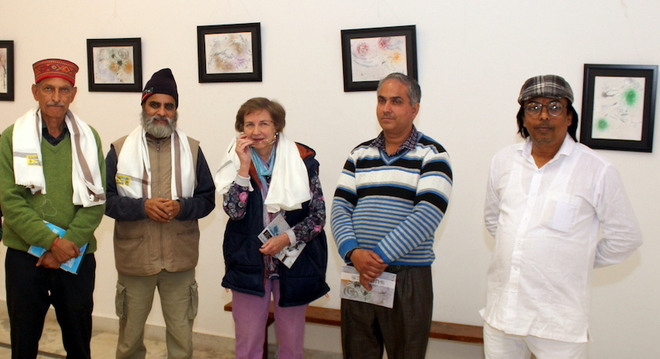
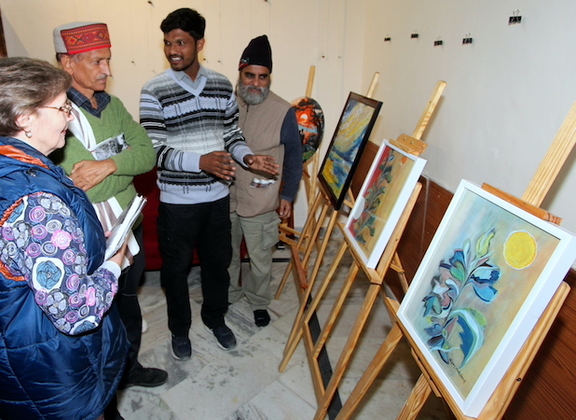
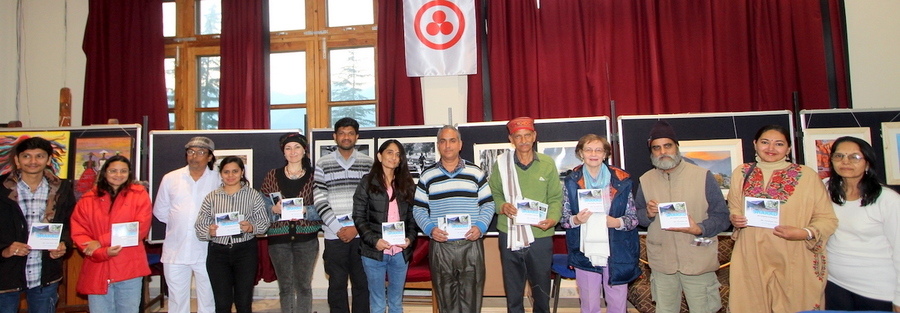
The guests of honour at the exhibition opening were the esteemed Gujarati artist and photographer, Atul Padia, and the Russian and Indian Curators of the IRMT: Larisa Surgina and Suresh Kumar. Guests and visitors immersed themselves in the world of the artist's abstract works with great interest, listening to Atul Padia's stories and explanations. He then invited everyone to proceed to the second exhibition, which he had curated with another Gujarati artist Sonal Odedra.
Perhaps this is the artist's key philosophy: that everything in this world is a surface, as long as there is a subject (the viewer) and an object (the material world that the viewer looks at). However, beyond this duality, the true essence emerges: the snow-white colour and constant white background of the paintings, which are the unity of the viewer and the visible world — the One, Parabrahman.
Vijay Kachhia demonstrates remarkable ingenuity in his use of unconventional materials to express his profound philosophical concept: zinc, whose oxide creates that deep white background; acrylic paints; and solvent for oil paints, to which he adds watercolour to create the characteristic cracks. He even incorporates beads, which may surprise viewers.
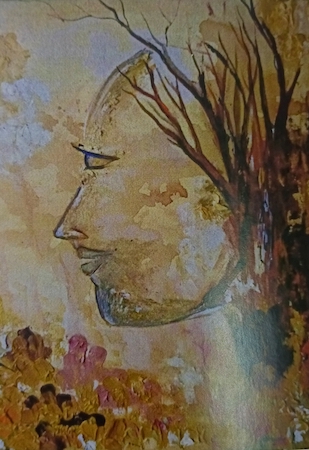
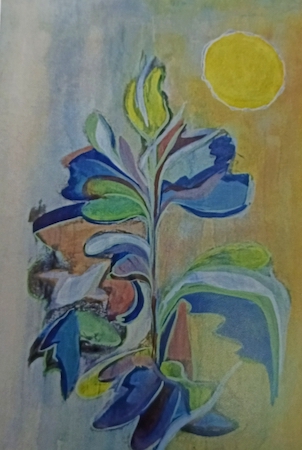
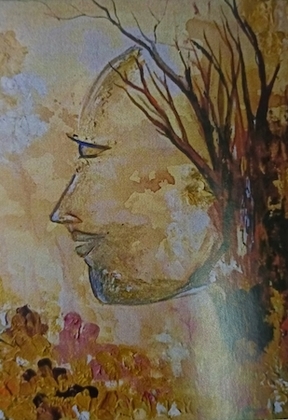
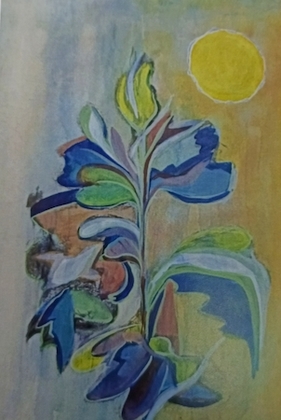
Entitled ‘Sharad’, this exhibition takes its name from the Hindi word for ‘Autumn’. Indeed, this exhibition is dominated by deep autumn tones, which masterfully convey a sense of light melancholy and peaceful tranquillity.
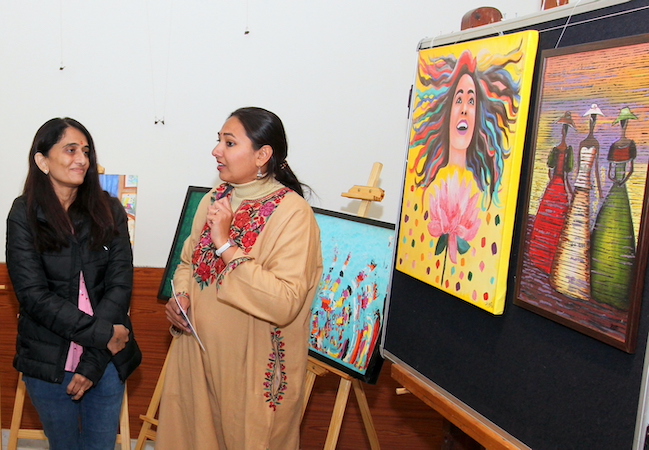
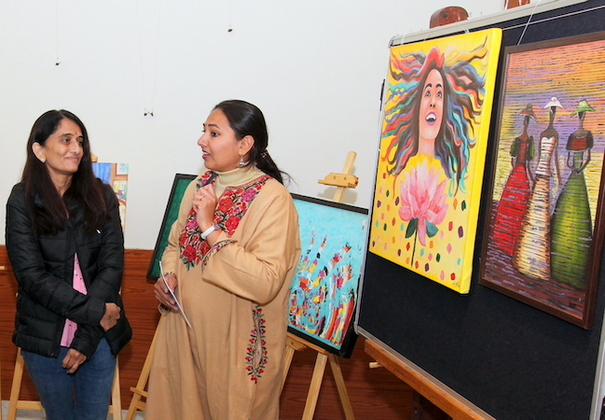
Notably, despite being curated by Gujarati artists and supported by the Gujarat Lalit Kala Akademi, the exhibition featured works by masters from various parts of India, showing true artistic cooperation. These included Ajay Makvana, Dr Priti Modi Patel, Dr Ritu Shah, Nrupesh Shah and Sonal Odedra from Ahmedabad; Anvesha Dei and Jayanta Khan from Kolkata; Atul Padia, Moulik Bhat and Rohit Kalsara from Vadodara; Hiran Vyas from Srinagar; Jalpa Chirag Pandya from Bangalore; Jasprit Mohan Singh from Ludhiana; Kindjal Panchal from Lunavada; Punam Rana from Chandigarh; and Prabuddha Ghosh from Pune. Most of the participants are young and promising artists.
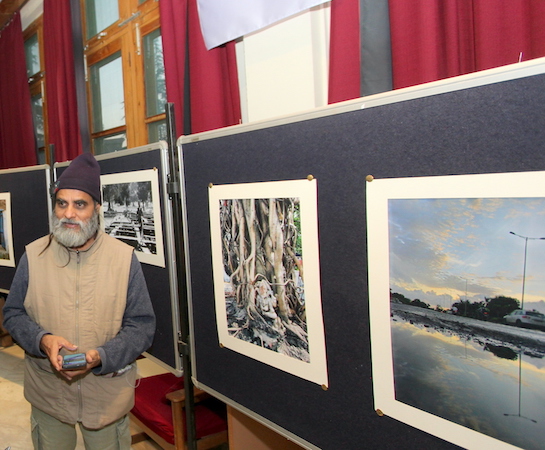
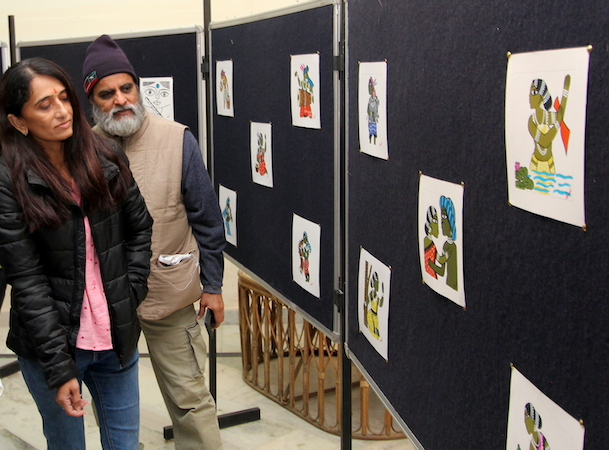
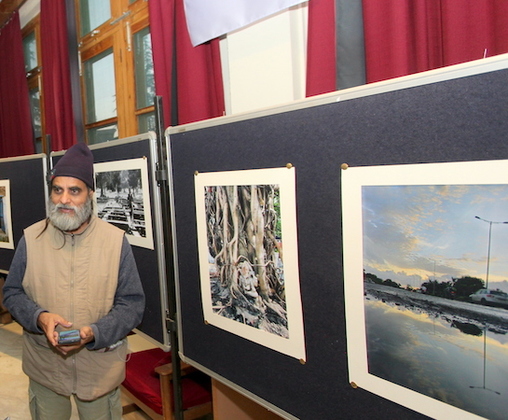
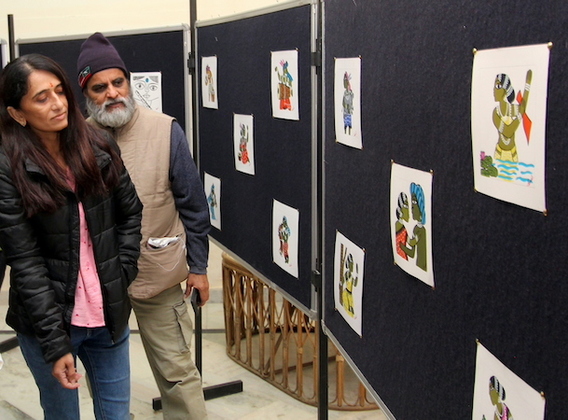
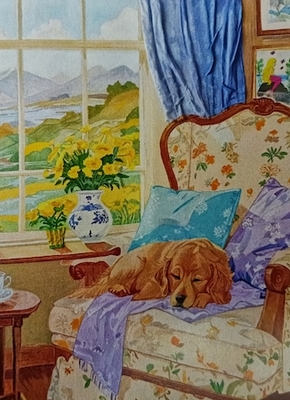
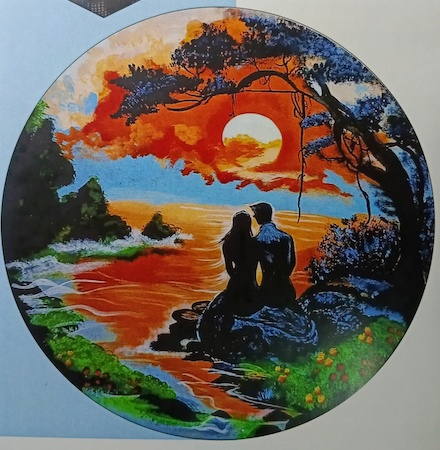
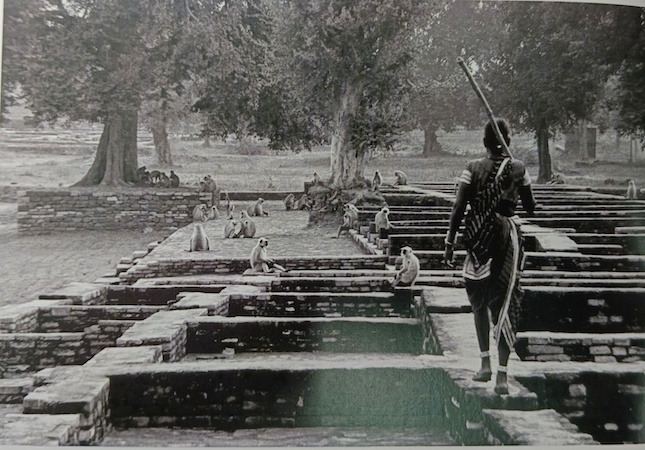
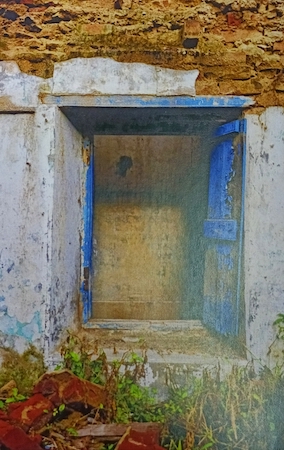
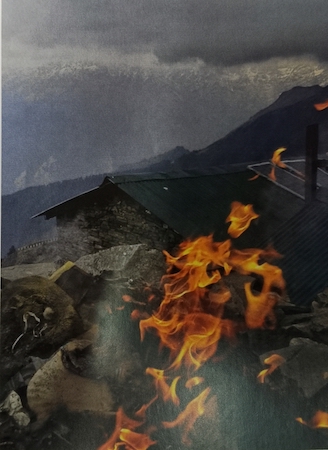
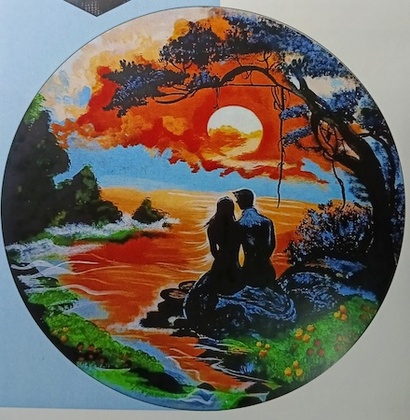
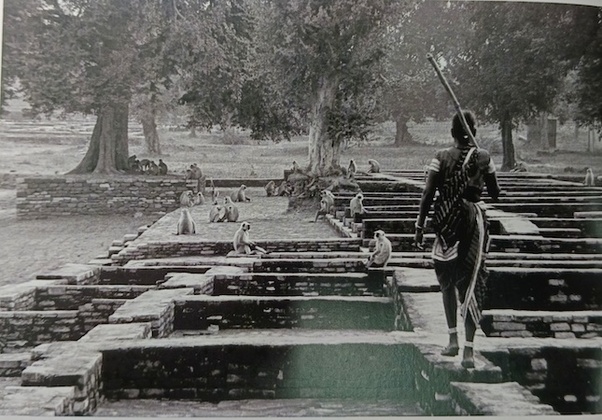
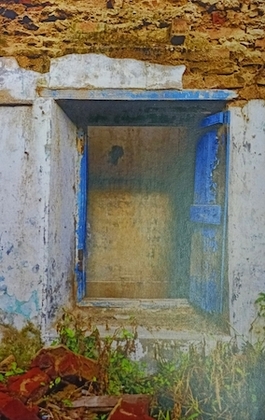
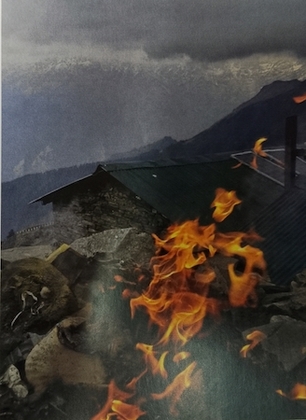
In addition to its rich geography, the exhibition impressed with its exceptional variety of genres and techniques. Abstract painting, works in the spirit of Impressionism and Realism, skilful graphics and examples of traditional Indian folk painting were all on display, as well as highly artistic photographs. The artists were happy to share stories about their work with the guests of honour, and Atul Padia gave the IRMT Curators and exhibition guests a fascinating tour, sharing his personal vision and providing detailed information about the participants.
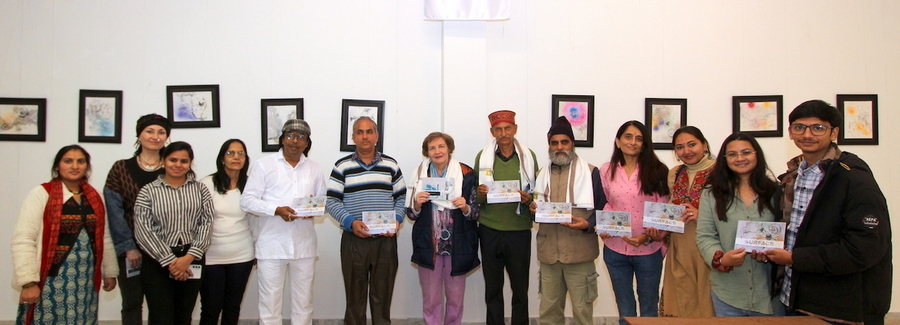
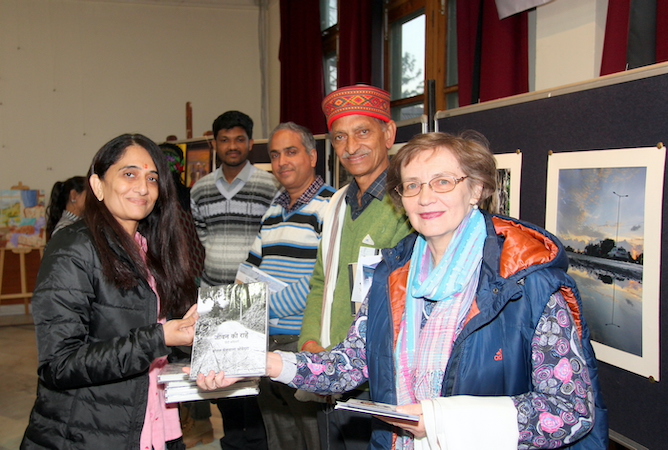
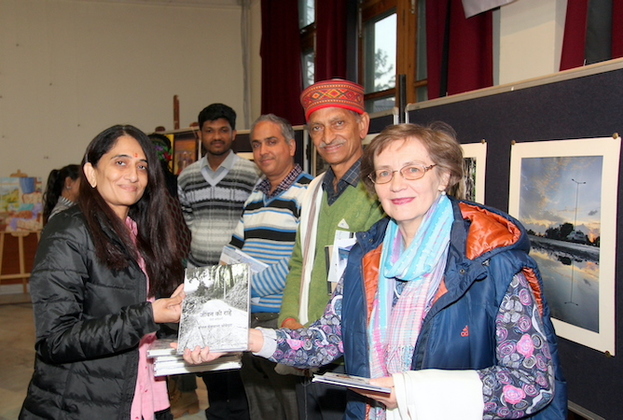
A particularly touching part of the opening ceremony was the presentation of a new poetry collection by Sonal Odedra, an artist and the exhibition curator. Entitled The “Roads of Life”, the book conveys the artist and poet's personal and profound experiences, recounting the difficult moments and joys of her journey, and the lessons she learned along the way. The author read one of her poems, which delighted those present with its beauty and depth. Sonal Odedra is a multifaceted talent: an artist, photographer and poet who constantly experiments with different art forms, never failing to surprise viewers at IRMT exhibitions with her fresh works.
These two exhibitions marked an important milestone in the collaboration between the IRMT and the Lalit Kala Akademi. They demonstrated the high skill level of Indian artists, the depth of their artistic vision, and their unquenchable spirit of creative experimentation in contemporary art in Gujarat and India as a whole.